
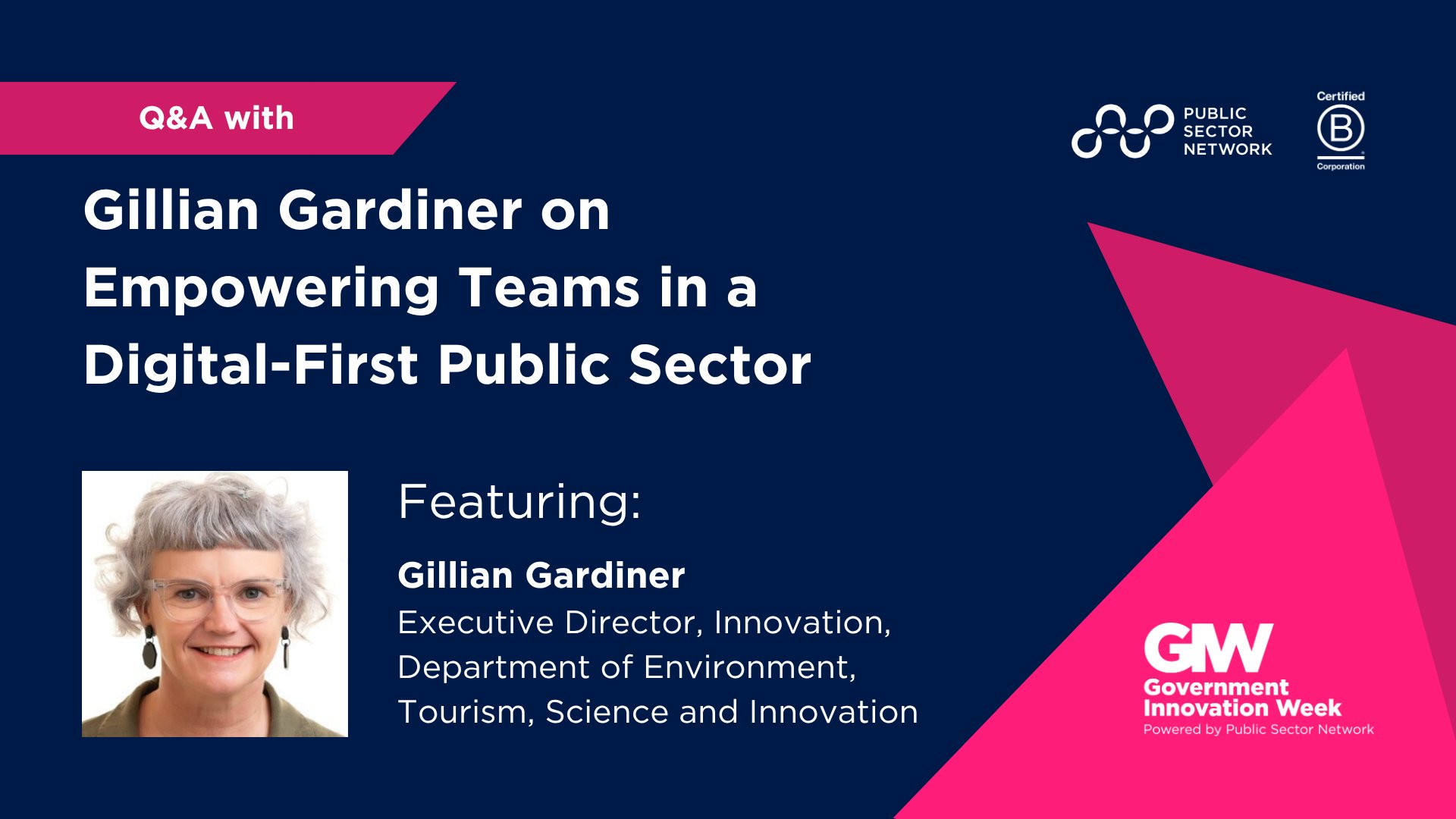
How can we cultivate a leadership style that thrives amidst the complexities of the digital era?
I believe contemporary leading is about being open, adaptable, and empowering others. It starts with creating an environment where people know their voices matter and where they’re encouraged to try new things, even if everything doesn’t go exactly plan.
I try to be transparent with my teams about shifts in direction, model curiosity, and show it’s okay to not know all the answers. If we’re all learning together and willing to course-correct, we’re much better equipped to handle whatever comes our way.
How can we foster a workforce that thrives in an era of rapid technological change?
Technology changes so quickly, the real trick is building a culture where people are excited rather than scared about change. In a perfect world, continuous learning about all the time-saving tech we have access to would be built into our daily routines.
In my immediate team we teach each other things on the daily and as we discover them through project work, quick skills sessions, and finding ways to let people move between different roles or tasks. I make space for experimentation with my broader leadership team, so they know it’s acceptable to try something new and learn from it, not just play it safe.
Don’t miss Gillian Gardiner live at the Digital Leadership day QLD on the 2nd of September 2025. She will be discussing People Leadership in the Digital Era: Leading Through Complexity and Building a Future-Ready Workforce and sharing her insights.
Register here.
View the agenda here.
How have you gone about creating a culture of innovation and adaptability?
Creating that kind of culture does not happen without intentional leadership and supportive structures. We celebrate when someone tries a new approach, whether it works or not.
Regular feedback loops are important and I know I need to make more time for everyone to share ideas and lessons, not just the senior leaders. Streamlining approvals and encouraging teams to work across traditional boundaries can also make a real difference.
Most of all, with change so very constant, I try to normalise ambiguity and uncertainty – reminding us all that not having all the answers is sometimes the best way to reach creative solutions.
Can you share some details (successes, challenges, outcomes/benefits) around the leadership model used in your workplace to allow for growth in individual and team capability?
This is an ongoing process and highly experimental. I am always trying new ways of doing things and encouraging others to join my perpetual learning quests.
For me this is part of normalising a more dynamic approach to program and project management. Of course we need to be rigorous about how we monitor and measure outcomes to ensure we’re delivering for the people of Queensland.
At the same time there are many ways to respond when something shifts in the external environment or a new priority emerges. By encouraging peer-to-peer sharing and rolling insights straight into the next challenge our people and teams are always growing professionally, sometimes failing, but the landing is soft, and they can leap straight back up to try again.
We are fortunate that there are many role models amongst our stakeholders – entrepreneurs and tech founders who are expert at failing fast/early/cheap and moving forward.
How can agile learning practices help agencies respond to new workforce demands, and how have you gone about implementing these?
Agile is a great methodology, especially when you have tight deadlines and need rapid delivery, but in my experience not always the most suitable in the public purpose sphere, unless perhaps in digital development, which we don’t do.
Rather than focusing on agile processes, I champion environments where curiosity and original thinking are encouraged. This means teams knowing they have permission to explore new ideas, brainstorm outside the norm, and experiment with fresh approaches – and do so within our authorising environment, which can tend towards the hierarchical.
I approach this as a cultural matter – by weaving creativity into our workplace culture, we can adapt to change more inventively and be inspired to tackle problems in ways we may not have considered before.
Don’t miss Gillian Gardiner live at the Digital Leadership day QLD on the 2nd of September 2025. She will be discussing People Leadership in the Digital Era: Leading Through Complexity and Building a Future-Ready Workforce and sharing her insights.
Register here.
View the agenda here.







Help your peers
Share what you've learned with fellow public servants