
This challenge is often described as an “innovation paradox”—where governance frameworks designed to ensure control and risk management are perceived as barriers to progress.
Yet this framing may be limiting how governments think about transformation.
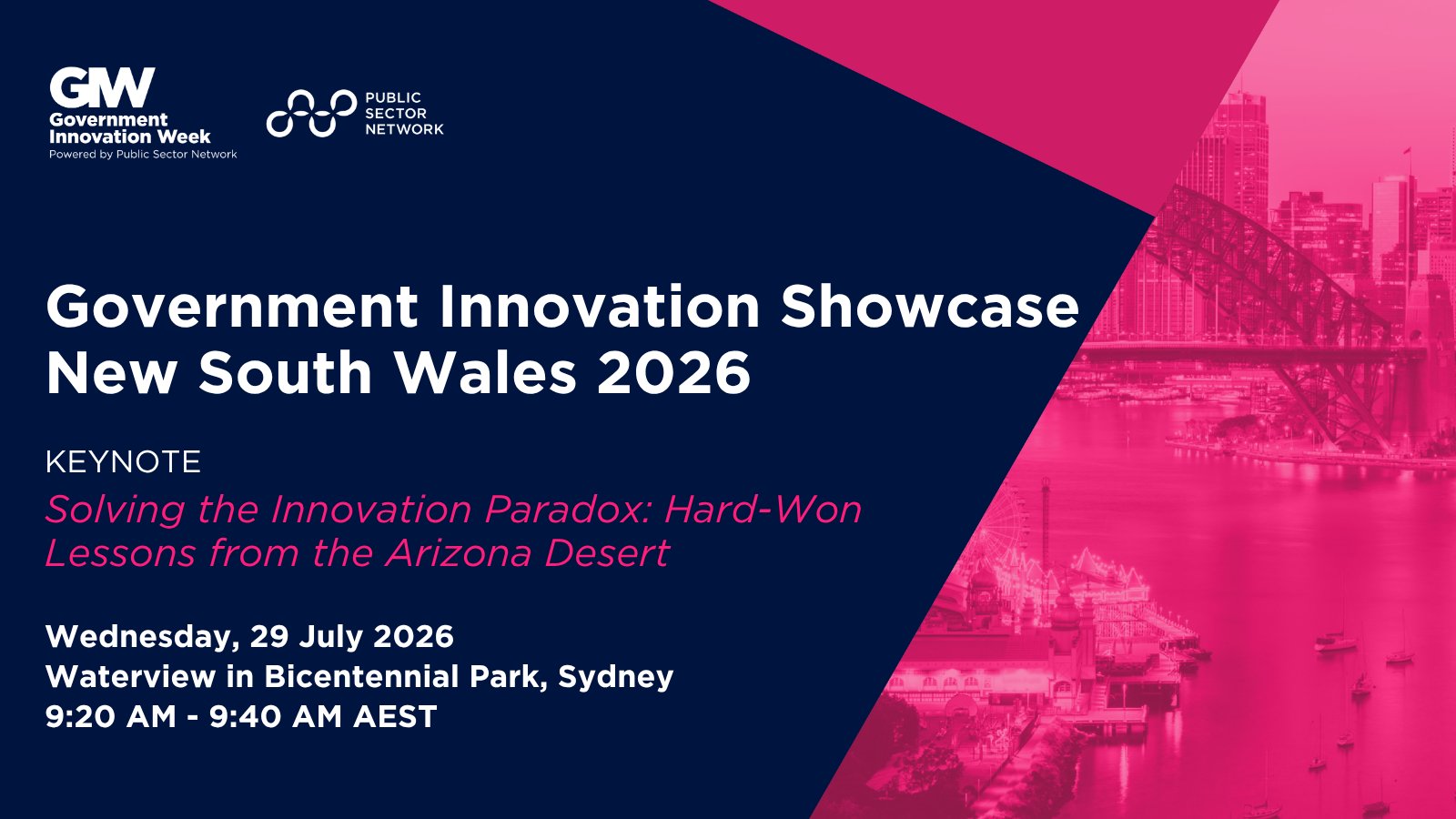
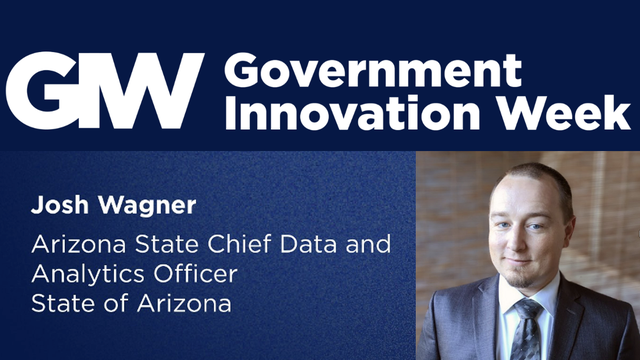
At Government Innovation Showcase New South Wales 2026, Josh Wagner, Arizona State Chief Data and Analytics Officer, State of Arizona, will explore a different perspective: what if governance is not the obstacle to innovation—but the mechanism that enables it?
Reframing Governance as an Enabler
Traditionally, governance is associated with approval gates, compliance processes, and risk mitigation structures that can slow delivery. In fast-moving digital environments, this can create friction between policy intent and execution speed.
However, in mature digital governments, governance is increasingly being repositioned as a design input rather than a constraint.
This shift enables:
- Earlier alignment between risk, policy, and delivery teams
- Clearer accountability for decision-making in digital systems
- More consistent and scalable approaches to innovation
- Greater confidence to deploy new technologies such as AI
When designed well, governance does not slow innovation—it creates the conditions for it to scale safely.
Balancing Speed, Trust, and Risk
One of the central challenges for government leaders is balancing three competing demands:
- The need for rapid service improvement
- The obligation to maintain public trust
- The responsibility to manage risk and compliance
Josh Wagner’s experience leading data and transformation functions in government highlights that successful organisations do not eliminate this tension—they design for it.
This involves embedding governance into the innovation lifecycle itself, rather than applying it after solutions are developed. It also requires closer alignment between data, analytics, policy, and operational teams.
Building Capability for Scalable Innovation
A key component of resolving the innovation paradox is capability—not just in technology, but in data literacy, decision-making frameworks, and organisational design.
This includes:
- Strengthening data and analytics foundations for decision support
- Building reusable governance models for digital delivery
- Developing workforce capability to work alongside AI systems
- Creating structures that support experimentation without losing control
The result is not only faster innovation, but more consistent and trusted outcomes across agencies.
Why This Matters Now
As governments adopt AI and advanced analytics at scale, the role of governance becomes even more critical.
Without strong frameworks, innovation risks fragmentation, inconsistency, and loss of trust. With the right design, governance becomes the foundation for scalable, ethical, and effective transformation.
This is the core of the conversation Josh Wagner will bring to Government Innovation Showcase New South Wales 2026.
Secure your complimentary pass here for government: https://publicsectornetwork.com/psnplatform/accounts/event_register/government-innovation-showcase-nsw-2026






Help your peers
Share what you've learned with fellow public servants