

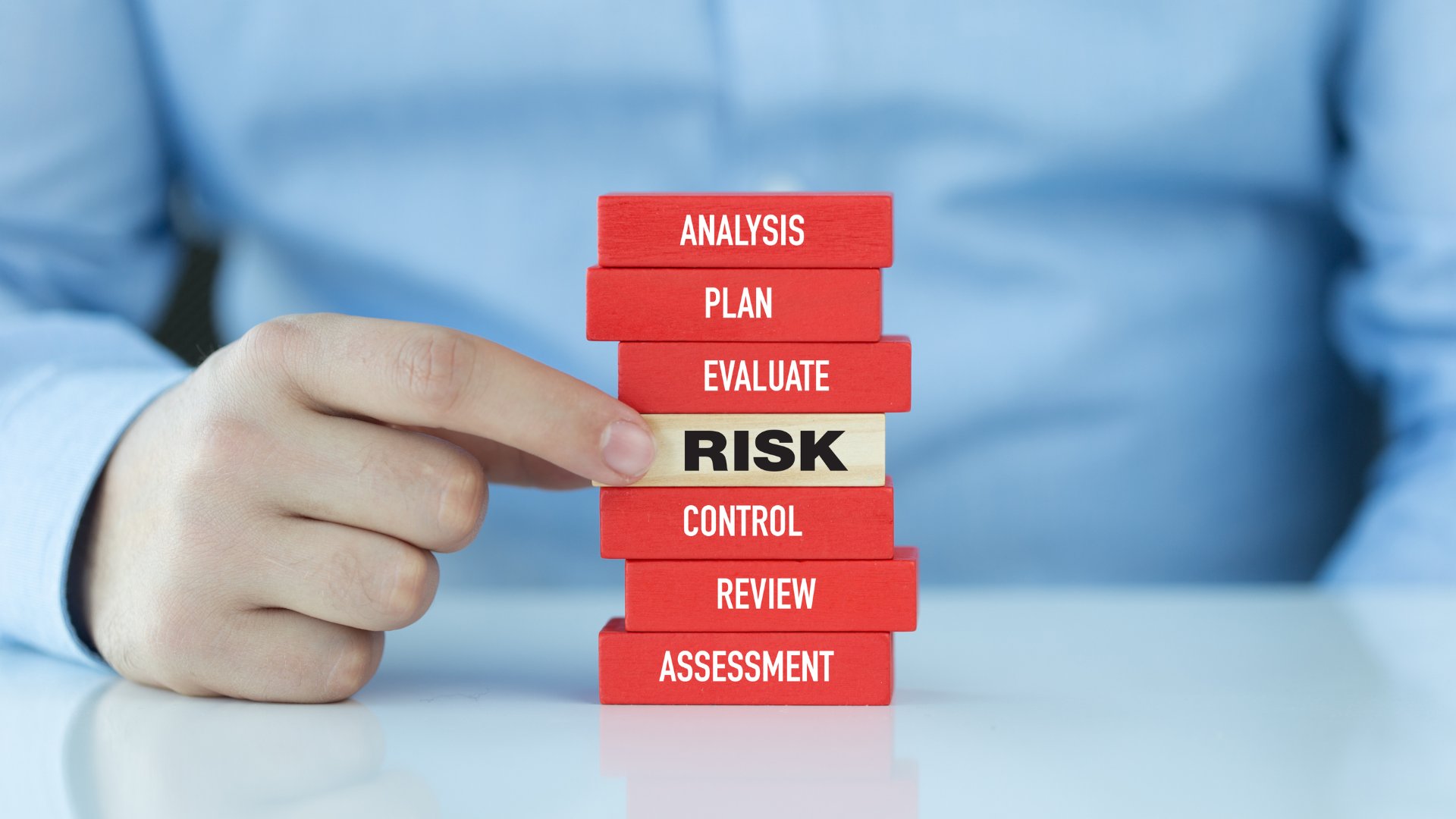
How to prevent AI failures
As artificial intelligence adoption accelerates across Australian government and enterprise organisations, pressure to innovate quickly is increasing. AI promises efficiency, scale, and improved decision-making. However, recent failures across both public and private sectors reveal a critical reality: most AI failures are not technology failures, they are AI governance failures.
From inaccurate automated reporting and unintended data exposure to biased decision-making and unclear accountability, these incidents highlight a recurring issue. AI systems are often deployed without robust AI governance frameworks, independent assurance, or clearly defined ownership. When AI governance is weak, even technically sound systems can create significant operational, legal, and reputational risk.
At KJR, we have spent nearly 30 years helping organisations build trust in complex, high-risk technology systems. Our experience shows that strong AI governance and independent assurance are not barriers to innovation, they are what make AI innovation sustainable, defensible, and safe.
Below are common AI failure patterns that could have been prevented through effective AI governance, and how KJR helps organisations avoid them.
1. AI Deployed Without Safeguards
In many organisations, AI tools are introduced into business processes without formal ethical risk assessments, approval pathways, or ongoing monitoring mechanisms. This often leads to AI usage expanding beyond its original intent, without visibility at leadership, legal, or risk-management levels.
Without defined AI governance guardrails, organisations lose control over:
- How AI systems are used
- What data they access
- How automated decisions are made and reviewed
KJR designs entity-level AI governance frameworks that define acceptable use, accountability, and escalation pathways. We implement:
- Pre-deployment AI assurance
- Ethical risk assessments
- Governance-aligned monitoring and reporting
This ensures safeguards are in place before AI systems go live, not after something goes wrong.
2. AI-Generated Information Errors
AI-generated content can appear highly authoritative, even when it is inaccurate, incomplete, or misleading. Without strong AI governance and human oversight, these outputs can flow directly into reports, decisions, or customer-facing material, amplifying risk at scale.
This is not just a problem of AI “hallucinations.” It is a governance and process failure. When no one is accountable for validation, errors become systemic.
KJR embeds human-in-the-loop governance controls into AI workflows. We help organisations:
- Define responsibility and accountability models
- Establish validation and review controls
- Govern where and how AI-generated outputs can be used
This ensures AI outputs are traceable, auditable, and defensible.
3. Data Mishandling & Privacy Risks
One of the most serious AI governance risks occurs when sensitive, personal, or classified information is entered into public or poorly governed AI platforms. These incidents often stem from unclear AI usage policies, lack of training, or assumptions that AI tools are “safe by default”.
Once sensitive data is exposed, the damage can be permanent.
KJR strengthens AI governance through:
- Clear AI usage and data-handling policies
- Data classification and access controls
- Data Loss Prevention (DLP) mechanisms
- Staff training programs that promote a “pause before you prompt” culture
This ensures employees understand how AI governance applies in real-world scenarios.
4. AI Misjudging Human Behaviour
AI systems used to assess performance, behaviour, or compliance can unintentionally reinforce bias or misinterpret context. Without explainability and review mechanisms, affected individuals may have no visibility or recourse, undermining trust and fairness.
This risk is particularly critical in government and public-sector environments, where transparency, accountability, and explainability are mandatory rather than optional.
KJR conducts:
- Bias and fairness testing
- Ethical and governance reviews
- Explainability and transparency validation
We help organisations demonstrate not only that their AI systems work, but that they work fairly, ethically, and with evidence to support every decision.
5. The Common Thread – Missing Governance
Across these failures, one pattern is clear: the absence of structured, enforceable AI governance.
Without defined accountability, ethical oversight, and independent assurance, AI adoption becomes reactive rather than controlled. Technology alone cannot solve this problem. AI governance provides the structure that allows innovation to scale safely.
KJR brings discipline and clarity to AI adoption by integrating governance, ethics, and assurance into every stage of the AI lifecycle.
Why AI Governance Is Now a Leadership Issue
AI is no longer confined to innovation teams or experimental pilots. It is increasingly embedded in core business processes, policy execution, and customer-facing decisions. As a result, AI risk is no longer a technical concern alone; it is a leadership, governance, and accountability issue.
When AI systems influence decisions at scale, organisations must be able to demonstrate who owns those decisions, how risks are managed, and how outcomes are reviewed. Without this clarity, AI adoption can quietly introduce systemic risk that only becomes visible when something fails publicly.
These leadership and governance challenges are explored in greater depth in our podcast, Responsible AI Adoption: How Leaders Drive Real Impact.
From Experimentation to Enterprise Risk
Many AI failures originate during early experimentation phases, where tools are adopted informally to “test value” or “move fast.” While experimentation is necessary, problems arise when these tools transition into production environments without governance catching up.
At this point, AI systems often begin influencing operational decisions, reporting, or service delivery, yet remain outside formal risk, compliance, and assurance processes. Effective AI governance ensures experimentation does not outpace organisational control.
AI Governance vs AI Assurance: What’s the Difference?
Although often used interchangeably, AI governance and AI assurance are distinct but complementary. Both are essential, and both are core strengths of KJR.
AI Governance
AI governance defines how AI is approved, managed, and controlled across an organisation. It answers critical questions such as:
- Which AI tools can be used?
- Who owns AI risks and outcomes?
- How are decisions documented and reviewed?
- When is ethical oversight required?
Strong AI governance turns intent into enforceable standards. It enables organisations to demonstrate that AI systems are safe, compliant, and accountable.
AI Assurance
AI assurance provides independent validation that AI governance controls are working as intended. It includes:
- Accuracy and performance testing
- Bias and fairness assessments
- Ethical and legal compliance checks
- Ongoing monitoring and assurance
Where governance defines the rules, assurance confirms those rules are followed, consistently and defensibly.
KJR delivers both, ensuring AI systems stand up to scrutiny from regulators, auditors, stakeholders, and the public. For organisations operating in critical infrastructure and essential services, AI governance is closely linked to system reliability, safety, and national resilience. In these environments, independent assurance is essential to validate AI-driven decisions that impact operations, safety, and the public.
When AI Fails, Trust Fails With It
In both government and enterprise environments, AI failures have consequences beyond operational disruption. They erode trust, from citizens, customers, regulators, and internal stakeholders.
Once trust is lost, organisations are often forced into reactive remediation, public explanation, and regulatory scrutiny. Strong AI governance shifts this dynamic from reaction to prevention, enabling organisations to demonstrate control before questions are asked.
Why Independent Assurance Matters in High-Risk Environments
In sectors such as government, critical infrastructure, and essential services, internal controls alone are rarely sufficient. Independent AI assurance provides objective evidence that governance mechanisms are operating effectively and consistently.
For regulators, auditors, and executive leadership, independent assurance transforms AI governance from an internal promise into a defensible capability, one that stands up to scrutiny when decisions impact public safety, service continuity, or national resilience.
A Trusted Partner in AI Governance and Responsible AI
As AI adoption accelerates across Australia, long-term success will not be defined by speed alone. Organisations that succeed will be those that prioritise AI governance, transparency, and accountability from the outset.
KJR helps government and enterprise leaders deploy AI responsibly, ensuring every model, decision, and dataset is governed, assured, and aligned with organisational values. With KJR, AI innovation becomes not just possible but trusted. To see all the case studies related to the different industries and sectors, follow the link.
If your organisation is looking to strengthen its Software Quality Assurance capability or gain independent assurance over critical systems, contact KJR to learn how our Software Quality Assurance services can support your digital transformation journey.

Published by
About our partner
KJR
KJR provides independent quality engineering that gives organisations the confidence to deploy complex, high-risk technology and AI systems. We focus on decisions, not just defects, helping government move from ambition to outcomes that are practical, responsible and built to last. We partner closely with public servants to deliver complex initiatives in highly regulated environments. Our strength lies in understanding how government really operates, from policy intent and procurement through to security, privacy, accessibility and ethics - and translating strategy into delivery with confidence. Unlike large consultancies that prioritise scale, or vendors that lead with tools, KJR is commercially independent and vendor-agnostic. We specialise in real-world implementation, supporting agencies to design and deliver transparent and explainable AI and digital solutions aligned to whole-of-government frameworks. KJR brings: * Deep experience delivering technology programs within government constraints* A strong commitment to responsible and human-centred AI* End-to-end capability across strategy, delivery, assurance and change* A focus on capability uplift, leaving agencies stronger and more self-sufficient Founded in 1997, KJR works shoulder-to-shoulder with government teams to de-risk innovation and deliver lasting impact. KJR helps government move faster - safely, transparently and with lasting impact.
Learn more





Help your peers
Share what you've learned with fellow public servants