
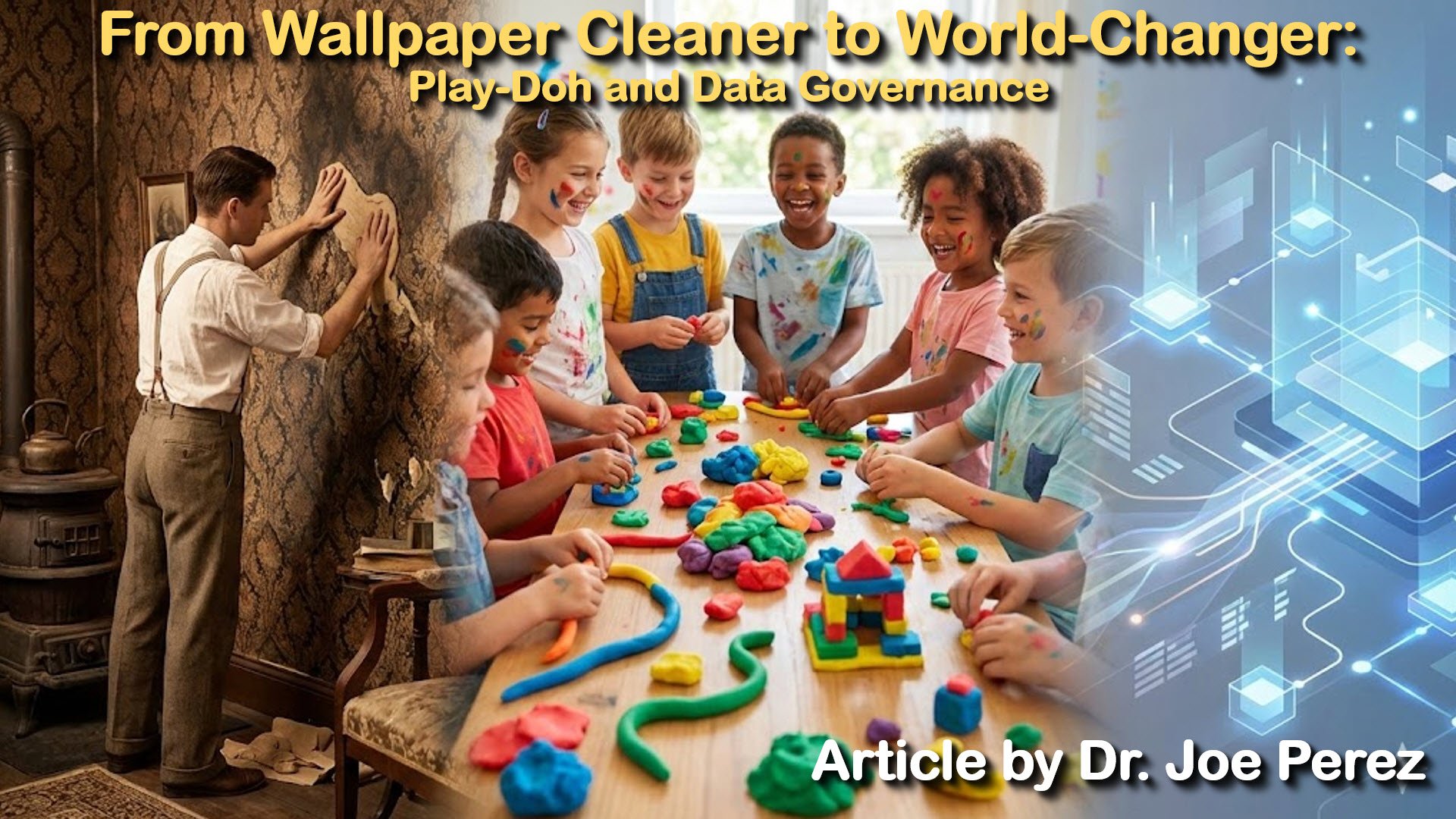
Let’s take a stroll back to the 1930s, when the air in American homes was thick with coal dust and the walls wore a sooty coat. In Cincinnati, a small soap company named Kutol was fighting for survival. Their secret weapon? A pliable, dough-like substance designed to lift grime from wallpaper. It was a clever solution for a dirty problem, and for a while, it kept the company afloat. Kroger stores stocked the cleaner, and Kutol’s fortunes brightened.
But time, as it always does, brought change. After World War II, coal furnaces gave way to cleaner heating methods. The need for wall cleaner faded, and Kutol found itself in a familiar bind. The product that once saved them was now gathering dust.
 Enter Kay Zufall, a nursery school teacher with a knack for seeing possibilities where others saw dead ends. She noticed that the dough, with a few tweaks, made a delightful plaything for her students. Bright colors replaced the drab original, and the formula was softened for little hands. The company reimagined its product, launching it as Play-Doh. First, it found its way into Cincinnati classrooms in hefty cans, then into homes across America in cheerful three-packs. By 1958, sales had soared from a modest $100,000 to nearly $3 million. Decades later, Play-Doh had become a household staple, with billions of cans sold worldwide.
What can public sector professionals learn from this tale of transformation? Quite a lot, as it turns out. The Play-Doh story is a vivid reminder that the tools we have, no matter how humble or outdated, can be reimagined to meet new challenges. In the realm of data governance, this lesson is more relevant than ever.
In this article, I will share four parallels between Play-Doh’s remarkable reinvention and principles of data governance relevant to the public sector. These are principles that those who work in government would do well to heed.
1. Spotting Hidden Value in the Everyday (VIEW)
Kutol’s dough was never intended to be a toy. Its original purpose faded, but its potential remained, waiting for someone to VIEW it with fresh eyes. In government, data often sits in silos, collected for one purpose and then left to languish. Yet, as agencies like the City of Chicago have shown, repurposing existing data can yield extraordinary results. Chicago took routine food inspection records and, by combining them with other city datasets, built predictive models that made restaurant inspections smarter and more effective. The city’s ability to see beyond the original intent of its data led to better public health outcomes and more efficient use of resources.
Key Insight:
The value of data isn’t fixed at the moment of collection. Like Play-Doh, it can be reshaped to serve new needs; that is, if we’re willing to look beyond the obvious.
2. Embracing Change When the Old Ways No Longer Work (RENEW)
Kutol’s leadership could have clung to the past, hoping wallpaper cleaning would make a comeback. Instead, they listened to new voices and adapted to a new paradigm. In the public sector, legacy systems and entrenched processes can make change feel daunting. But as the New York State Department of Health demonstrated through its Health Data NY initiative, opening internal health data for public use delivered more than transparency; it empowered communities, reduced administrative burdens, and sparked innovation. That innovative spirit, that desire to RENEW, was shown by a willingness to rethink the role of data that led to fewer information requests and more engaged citizens.
Key Insight:
When the environment shifts, clinging to old methods can leave valuable assets underutilized. Adaptation goes beyond survival and opens the door to new possibilities.
3. Collaboration and Cross-Pollination Spark Innovation (CONSTRUE)
 Play-Doh’s transformation was not done by a single person. It took a teacher’s perspective to see the dough’s potential as a toy, and it took a company’s willingness to listen and experiment to bring that vision to life. In government, the most successful data repurposing efforts often involve collaboration across departments and even sectors to CONSTRUE innovative solutions. FEMA’s Disaster Assistance Improvement Program, for example, integrated data from multiple agencies to streamline support for disaster survivors. By breaking down silos and sharing information, they made the process less burdensome for citizens and more efficient for government.
Key Insight:
Innovation flourishes when diverse perspectives come together. Data governance presents a technical challenge, but it also thrives on teamwork. We should therefore see it as a team sport.
4. Continuous Reinvention and the Power of Feedback (REVIEW)
Play-Doh didn’t stop evolving after its initial success. New colors, packaging, and uses kept it relevant for generations. Similarly, effective data governance is an ongoing process. Agencies like the U.S. Census Bureau have repurposed their own demographic data to create tools like the Response Outreach Area Mapper, which helps target outreach and boost participation. Feedback from users, whether they’re citizens, analysts, or partner organizations, drives continuous improvement, ensuring that data remains a living asset rather than a static archive.
Key Insight:
The journey doesn’t end with a single transformation. Ongoing feedback and iteration (REVIEW) will keep data governance practices fresh and responsive to changing needs.
The Art and Science of Data Governance: Lessons for the Public Sector
Let’s step back and look at the broader landscape. In government, data governance extends far beyond compliance or risk management. At its heart, it’s about stewardship; that is, caring for data so it can serve the public good, both now and in the future. This means establishing clear roles, robust policies, and a culture that values data as a strategic asset.
Government agencies face real hurdles: fragmented systems, data quality issues, privacy concerns, and resource constraints. But as the Play-Doh story shows, constraints (and not just necessity) can indeed be the mother of invention. The key is to enable a culture that encourages experimentation (view), values feedback (renew), isn’t afraid to repurpose what’s already on hand (construe), and is willing to take constructive feedback for further improvement later (review).
Best Practices for a Playful (and Effective) Data Governance Strategy
- Establish Data Governance Councils: Bring together diverse voices to set policies and resolve issues.
- Invest in Data Cataloging: Make data discoverable and usable across the organization.
- Adopt Data Quality Frameworks: Regularly assess and improve the reliability of your data.
- Embed Privacy by Design: Build trust by safeguarding sensitive information from the start.
- Promote Data Literacy: Empower staff at all levels to use data confidently and responsibly.
Real-World Success Stories: Repurposing Data for Public Good
The Play-Doh analogy offers more than a simple thought experiment. Around the world, government agencies are breathing new life into their data:
- Chicago’s Predictive Inspections: By combining food safety data with other city records, Chicago made its inspections more targeted and effective.
- New York’s Open Health Data: Repurposing internal datasets for public use reduced administrative overhead and empowered communities.
- FEMA’s Disaster Assistance Integration: Merging data from multiple agencies streamlined support for disaster survivors.
- USDA’s Purchase-to-Plate Crosswalk: Linking commercial and government data provided new insights into national nutrition.
- NASA and Forest Service Fire Risk Models: Repurposed climate data improved fire prediction and response.
Each of these examples started with data collected for one reason and found new value through creative thinking and collaboration.
Bringing It All Together: The Play-Doh Principle for Public Sector Data
So, what’s the secret ingredient? It doesn’t necessarily involve having the newest technology or the biggest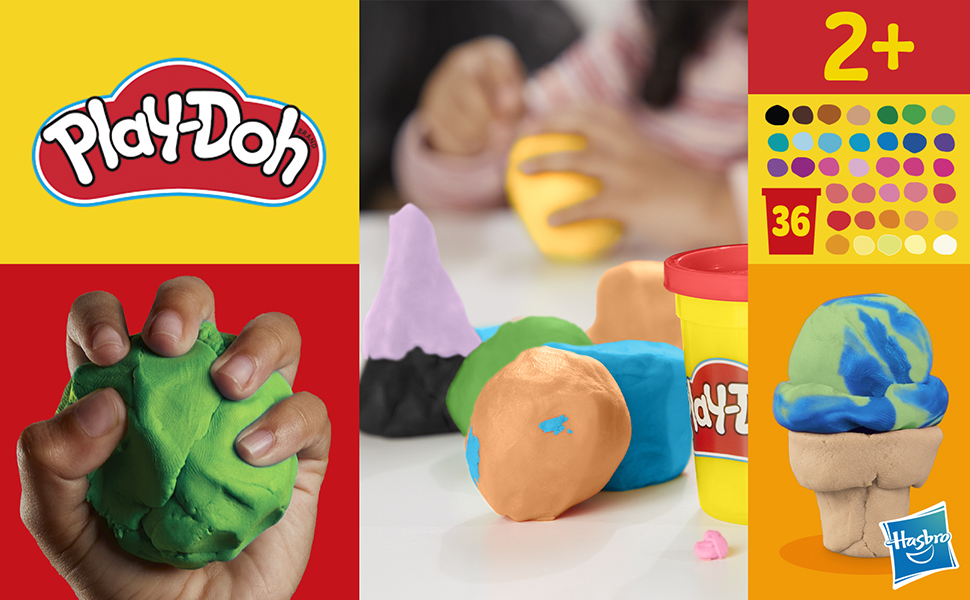 budget. It’s about cultivating a mindset that sees potential in the overlooked, listens to new ideas, and isn’t afraid to experiment. The Play-Doh story reminds us that transformation often begins with a simple question: “What else could this be?”
In the public sector, data is one of our most underappreciated resources. With thoughtful governance, a willingness to collaborate, dedication to principle, and a dash of creativity, we can turn yesterday’s wallpaper cleaner into tomorrow’s world-changer.
Conclusion: Rolling Out a New Future
As you go about your work, whether you’re wrangling spreadsheets, designing policy, or leading a team, remember the journey of that humble dough. It started as a cleaner, destined for obsolescence, until someone saw it with new eyes. With a little imagination and a lot of teamwork, it became a staple in classrooms and playrooms around the globe.
 Public sector data holds the same promise. The next breakthrough might be hiding in a forgotten dataset or a routine report. Embracing the Play-Doh principle (i.e., repurposing, collaborating, and continuously reinventing) will enable us to shape a future where government data moves from being merely managed to being truly put to work for the people we serve. Let the Play-Doh story inspire you to view untapped opportunities, renew outdated practices, construe fresh solutions through collaboration, and review your progress to keep improving.
So, the next time you see a can of Play-Doh, let it remind you: with the right approach, even the messiest, most overlooked resources can become something truly extraordinary.

Published by






Help your peers
Share what you've learned with fellow public servants