Fire agencies across Australia and New Zealand were entering another high-risk fire season, with early-season bushfires already destroying homes, prompting emergency declarations and causing fatalities in NSW and Tasmania. National outlooks showed elevated fire danger across multiple states after years of fuel build-up and drying conditions. These pressures sat alongside the continuing reform agenda shaped by the Black Summer Royal Commission and recent AFAC reviews, which highlighted ongoing gaps in preparedness, asset oversight and information flow.
At the same time, leaders faced sharper scrutiny. Heavy Vehicle National Law obligations applied to emergency fleets, including chain-of-responsibility duties for executive officers. New Zealand’s review of FENZ funding signalled similar expectations for accountability and sustainable capability. In this context, agencies had to demonstrate that vehicles, equipment, stations and ICT assets were safe, compliant and ready – backed by reliable, lifecycle-wide evidence.
Budgets were tight, risk was increasing and the operational footprint continued to expand across metropolitan, rural and volunteer environments. Decision-makers needed confidence in the data that underpinned readiness, replacement planning and investment arguments. This briefing brought those pressures into focus and helped leaders clarify what robust, future-ready asset governance now requires.
Key Discussion Points
- Governing complex, dispersed and shared asset fleets: Unpacking the structural challenges of managing heavy fleet, specialist equipment and stations across metropolitan, regional and volunteer-based environments.
- Real-time confidence in “fit for use” assets during peak demand: Exploring what it takes for leaders to be confident that appliances and equipment are safe, reliable and ready to deploy when incidents escalate.
- Heavy fleet obligations and chain-of-responsibility risk: Examining how Heavy Vehicle National Law and chain-of-responsibility duties applied in a fire services context, and what incomplete records or unclear ownership meant for organisational and personal liability.
- From fragmented ownership to lifecycle stewardship of data: Looking at how procurement, finance, engineering, logistics, ICT, safety and audit each touched the same assets – and what needed to change so decisions were based on a single, trusted source of truth.
- Using evidence to argue for funding, replacement and prioritisation: Discussing how senior leaders were using asset data to justify budgets, shape replacement programmes, manage risk and plan for more severe and more frequent fire seasons.
Meet your facilitators

Trevor Owen
Deputy Chief Officer, Service Delivery (South East), Country Fire Authority VIC

Brett Loughlin AFSM GAICD
Chief Officer, SA Country Fire Service
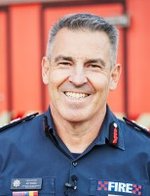
Jeff Swann
Chief Officer & Chief Executive, SA Metropolitan Fire Service Board
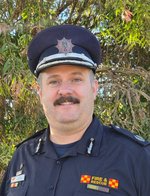
Jason Kleemann
Assistant Chief Officer, Director | Infrastructure and Logistics | Asset Management | Telecommunications | Facilities | Fleet and Equipment | Specialist Equipment, South Australian Country Fire Service

Filiz Tigli
Global Sales, Development & Partner Manager, Hardcat

Colin Beech
National Professional Service Manager, Hardcat
Trevor Owen
Deputy Chief Officer, Service Delivery (South East), Country Fire Authority VIC
Brett Loughlin AFSM GAICD
Chief Officer, SA Country Fire Service
Jeff Swann
Chief Officer & Chief Executive, SA Metropolitan Fire Service Board
Jason Kleemann
Assistant Chief Officer, Director | Infrastructure and Logistics | Asset Management | Telecommunications | Facilities | Fleet and Equipment | Specialist Equipment, South Australian Country Fire Service
Filiz Tigli
Global Sales, Development & Partner Manager, Hardcat
Colin Beech
National Professional Service Manager, Hardcat






Help your peers
Share what you've learned with fellow public servants