

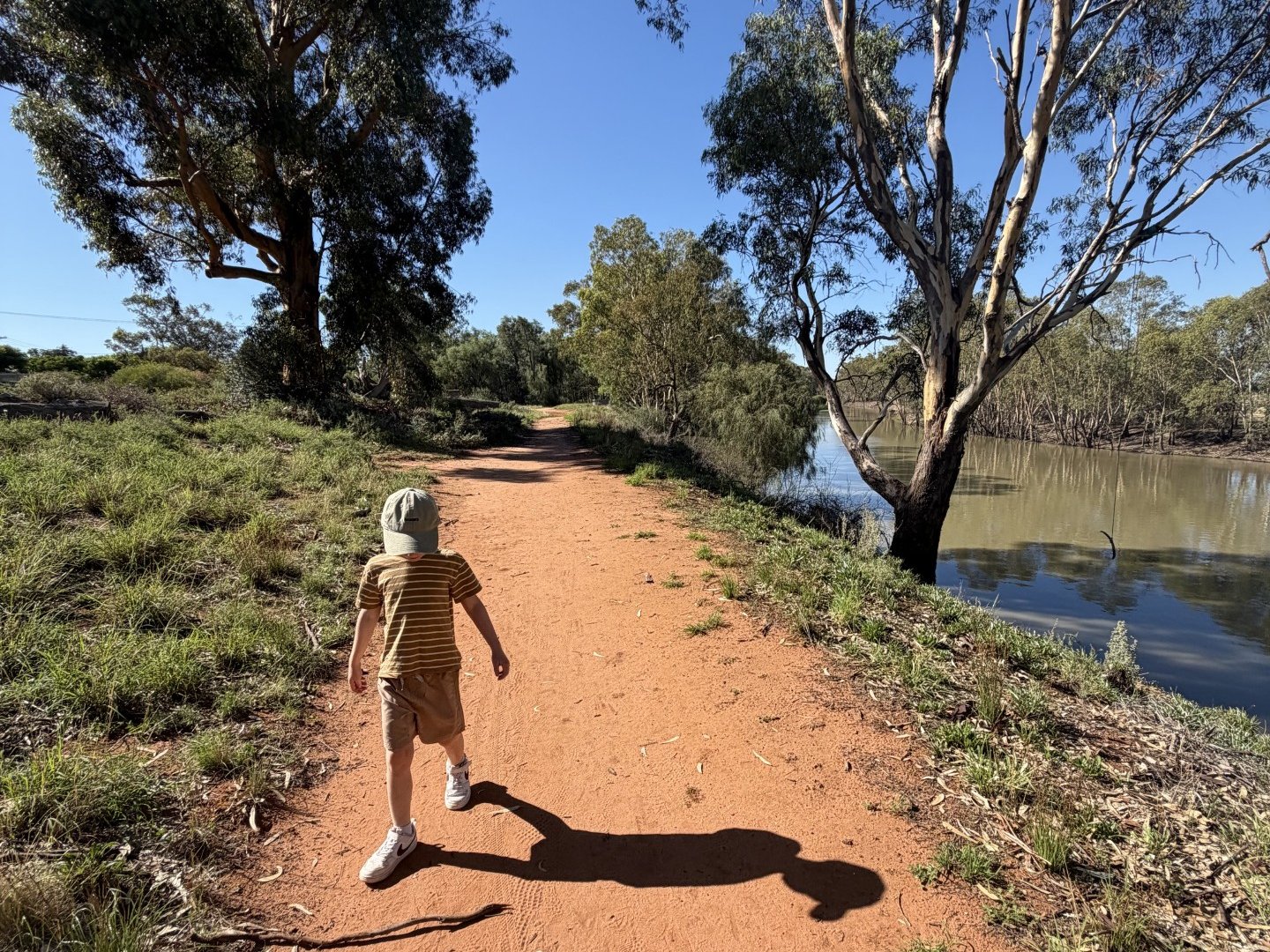
In regional communities, families have often been there for generations. They live with the outcome long after the project team moves on.
Projects are being planned all over regional Australia right now, and gaining social licence early makes delivering them a whole lot easier.
Building relationships with local councils, businesses and community early isn't a nice to have. It's often what gets a project over the line.
I've worked on projects across regional areas, from infrastructure to health initiatives, and as someone who grew up in rural Victoria, I’ve seen examples of great engagement – usually from teams who are local or know the community well. And I’ve also seen governments and businesses arriving with the best intentions, and a genuine desire to leave a community better off than they found it, but they don't always get it right.
Every community and project is different, but regional projects need a different approach to metropolitan ones - here's what I've found works.
First up, show up
People genuinely value someone from the city taking the time and effort to come to their community in person. Even better, come early in the project, and come often. But mostly, just make the effort to show up in person.
And when you do, expect a good attendance. I've found people in regional areas are far more likely than those in metropolitan areas to come to an in-person event, and they are often more likely to follow up and engage afterwards.
Communicate through people who are known and trusted
People in regional areas trust people they know in their community more than someone from the city with a long list of credentials. So, if you aren’t a local business or project team, find someone who is. Find out who people are already listening to, and who they trust.
This might be the GP, the local police, the CFA, the school principals or the footy club. Ideally, find several of these trusted voices, so you can reach different groups and carry different messages.
Understand that connection to community is extraordinarily strong
In rural and regional areas, families have often lived in the community for generations. They aren't moving, and many couldn't if they wanted to.
Understand what your project means to them in that context. What first looks like resistance or opposition is often just people who care deeply about their community. Remember they'll live with the outcome permanently, long after your project team moves on.
Do your homework on local timing and habits
Research the seasonal calendar before you set a date. In country areas the whole community is often shaped by the seasons, so event scheduling needs to work around this.
"If you plan an information session during harvest, no one will turn up - no matter how interested they are in the project," a farmer once stated.
Have a five-minute conversation with a local and make sure you understand this context.
The same goes for promotion. Ask locals where people regularly go and use those insights to inform your planning and promotion. This might mean posters at the local shops, the pub, the post office and sporting venues, or a notice in the school newsletter.
We once planned to advertise an event through Facebook, as we had on metropolitan projects. But when we spoke to several locals, they told us a poster at the shops was far more likely to get attention, and to get people talking as they gathered. They were right.
Get the small things right
Don't mispronounce the town or misspell it on the flyer. Getting the little things wrong can instantly cost you trust and credibility, so double-check these details.
I once heard a project leader mispronounce a town name several times while opening a presentation. He lost the room instantly, and never really got it back.
So, fact-check the details and say them out loud to someone local before you say them in a room. And where possible, always test your material on a few locals first.
Listen carefully and close the loop
In regional areas the expertise might look different to what you see in the city, but it's real. The people in these communities are often operating in a completely different environment, and in different industries, to you and your team. They have a unique point of view and valuable experience.
Go in to listen and learn, and report back to them about how they helped shape your project.
The takeaway
Regional communities are a different audience, with their own context, rhythms, challenges and expertise.
Show up early, go through trusted people, listen carefully, and do a little bit of research to make sure you get the details right - and your project will ultimately benefit.

Published by
About our partner
Vant Agency
Vant is led by practitioners with decades of experience across government, delivery agencies and complex organisations. We work with teams operating in environments shaped by community expectations, political sensitivity and regulatory requirements.From major infrastructure to health and community services - we help organisations communicate clearly, engage stakeholders early and build trust. Clients work directly with us from strategy through to delivery.Our ServicesStakeholder and community engagementStrategic communicationsContent strategy and productionGovernment and regulatory engagement.Why Vant?Senior delivery, end-to-end. Vant is led by experienced Directors. The people who develop the strategy are the same people who run the workshops, draft the briefings and manage the issues. Clients deal directly with the decision-makers, get fast turnaround on sensitive issues, and keep the same senior relationships across the life of a project. Experience in complex, high-scrutiny environments. Vant has extensive experience in exactly the conditions many organisations find hardest to navigate - major infrastructure approvals, public health initiatives, and government agencies operating under community and political scrutiny. Regional and rural capability. Vant brings first-hand understanding of rural and regional communities - including the different dynamics, communication channels and timelines involved in communication and engagement work outside metropolitan Melbourne.Culturally responsive engagement. Vant has the skills and experience to connect and communicate with culturally diverse organisations and communities.
Learn more



Help your peers
Share what you've learned with fellow public servants