
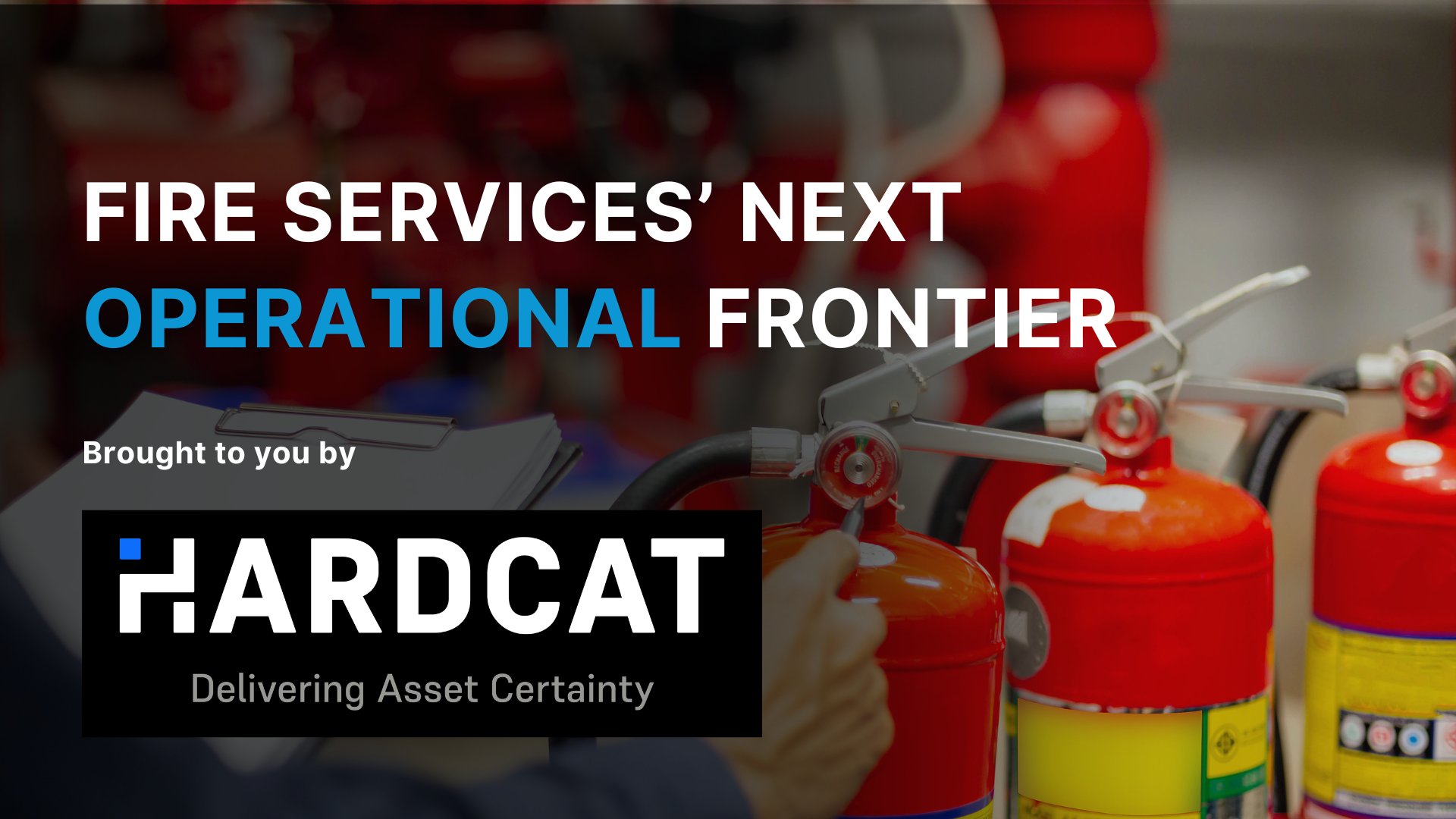
Fire and emergency services are entering a period where operational tempo, fiscal constraint, and regulatory scrutiny are converging. The front line is being asked to do more, with less, in riskier environments. In that context, asset governance has stopped being a “back office” function. It is now a determining factor in whether an organisation can deploy safely, prove compliance, and defend funding decisions with confidence.
In a recent Public Sector Network webinar supported by Hardcat, senior operational leaders from South Australian Country Fire Service, SA Metropolitan Fire Service Board, and Country Fire Authority VIC shared a consistent message. Agencies do not struggle because they lack commitment. They struggle because asset data is fragmented, ownership is unclear, and systems evolve “just in time” rather than strategically. The result is slow decisions, avoidable risk, and limited assurance when it matters most.
Below are the key trends and leadership insights that emerged, and what they imply for fire service executives navigating the next high-risk season.
Trend 1: “Single source of truth” is becoming a safety requirement, not an IT preference
Across agencies, the most persistent operational and governance risk described was the same. Information is stored across spreadsheets, station-level records, bespoke tools, and individual knowledge. SA Country Fire Service leaders described data distributed across a “multitude of different spreadsheets and systems,” creating delays and uncertainty when leaders needed fast answers.
A defining moment was simple. A request for a basic fleet statistic for ministerial correspondence took “8+ hours” to assemble. That was not a technical inconvenience. It was a leadership signal that the organisation could not reliably answer routine accountability questions, let alone respond with confidence under pressure.
Leadership insight: In emergency services, the speed of decision-making is part of readiness. If “simple” questions are not push-button, the organisation is operating with hidden risk. A single source of truth is the foundation for consistent answers, consistent actions, and consistent accountability.
Trend 2: Compliance is tightening, and chain-of-responsibility risk is moving up the organisation
Heavy fleet obligations and broader governance requirements are shifting accountability from operational areas alone to executives and governance structures. Leaders highlighted that compliance cannot be assured without understanding the end-to-end business system. That includes how faults are logged, who carries them next, and how due diligence is evidenced.
The tone was clear. “Shared responsibility” does not mean “no one’s responsibility.” It requires definition in doctrine, policies, and operating procedures so that stations, regions, workshops, and executives understand the boundaries of their obligations.
Leadership insight: Compliance maturity is not a checklist. It is a designed system of roles, handoffs, and evidence. Executives need to treat chain-of-responsibility obligations as an operating model issue, not only a fleet issue.
Trend 3: Asset readiness is increasingly about data integrity and process integrity, not just maintenance
Both metro and country services described robust operational routines. These include frequent equipment checks, defect reporting, and maintenance regimes. The difference between “we do checks” and “we can govern readiness” comes down to whether those checks translate into reliable, auditable records that route to the right part of the organisation fast.
Leaders described two key blind spots:
- Station-level manual approaches that do not scale.
- Lack of a clear end-to-end process defining what happens after a defect is reported, including who owns the next action and how quickly it is resolved.
Leadership insight: Readiness is a governance loop. The loop breaks when checks are performed but data is not captured consistently, defects are not routed reliably, or the organisation cannot demonstrate what happened and when.
Trend 4: Fire services are shifting from reactive reporting to strategic asset governance
A common pattern emerged. Agencies often have “lots of data,” but it is assembled for bespoke needs, at the last minute, in a way that creates silos. Leaders described the transition required as a conscious move from just-in-time reporting to strategic, standardised processes.
This also speaks to workforce resilience. SA Country Fire Service leaders highlighted the risk of “single person dependencies,” where critical knowledge sits in one individual’s spreadsheets or memory. A modern asset system must be independent of individual tenure, enabling consistent results no matter who presses the button.
Leadership insight: Strategic asset governance is a cultural and structural shift. Technology enables it, but leaders must mandate standardisation and remove permission for fragmented workarounds.
Trend 5: Executive-level asset governance is being reframed around risk, not asset counts
When budgets tighten, evidence must do more than describe the asset base. It must communicate risk in a way that decision-makers can understand. SA Metropolitan Fire Service Board leadership described the strongest success with hard data for Treasury and Finance, supported by operational narrative for ministerial audiences.
Country Fire Authority VIC leadership reinforced a related expectation. It is not only about reporting data, but presenting it in risk layers, including spatially, to make investment logic clearer to non-specialists. This reflects a broader shift. Asset investment decisions increasingly demand clarity, prioritisation logic, and defensible trade-offs.
Leadership insight: Funding success depends on pairing operational narrative with evidence that stands up in finance environments. The executive task is to translate readiness risk into investment logic.
Trend 6: Scope is expanding from “owned assets” to “assets under our jurisdiction”
A forward-looking point was the challenge of external and contractor assets. Fire services increasingly rely on private vehicles, local government equipment, and contractor resources, such as bulk water supply. Leaders acknowledged that governance and compliance responsibilities still apply when these assets operate under agency control during an incident.
The gap is maturity. Leaders see the need, but systems and operating models are not consistently designed to pull internal and external asset assurance into one picture.
Leadership insight: External asset governance is the next frontier. As mutual aid, contracting, and multi-agency deployments grow, readiness assurance must include assets the agency does not own, but does rely upon.
What strong asset governance looks like now (executive checklist)
Based on the discussion, strong asset governance at an executive level is defined by five outcomes:
- A single, trusted system of record that eliminates parallel sources and reduces station-level workarounds.
- Clear doctrine and role definition for “shared responsibility,” including what happens after a defect is logged.
- Audit-ready evidence of checks, maintenance, decisions, and approvals, independent of who holds the role.
- Risk-based planning that supports replacement strategies and future capability needs, aligned to standards such as ISO 55000 (whether or not formal accreditation is pursued).
- A staged transformation approach that prioritises impact and resourcing realism, rather than attempting to fix everything at once.
A practical starting point: start where assurance matters most
One theme stood out. Start somewhere, but start intelligently. SA Country Fire Service began with fleet in response to heavy fleet obligations and the need to prove compliance through defensible records, then expanded into facilities once the fleet foundation was stabilised.
For many agencies, fleet is the most visible operational and compliance exposure, and therefore the highest-leverage starting point. Facilities and fixed assets are often more complex and variable, requiring physical audits and careful standardisation to reach the same level of assurance.
Executive takeaway: The staged approach is not about lowering ambition. It is about protecting delivery. Build confidence in a priority asset class, prove governance value, then scale.
Closing perspective: asset governance is operational capability
Fire services cannot predict the next season, but they can predict the operational demand for reliable assets, credible data, and defensible decisions. As leaders across SA Country Fire Service, SA Metropolitan Fire Service Board, and Country Fire Authority VIC made clear, asset governance is now inseparable from readiness, safety, compliance, and long-term capability.
Hardcat’s perspective is that the organisations that perform best under pressure will be those that treat asset systems as a strategic capability. It needs to be integrated, governed, auditable, and designed for frontline reality.
If asset certainty is the goal, data certainty is the starting point.
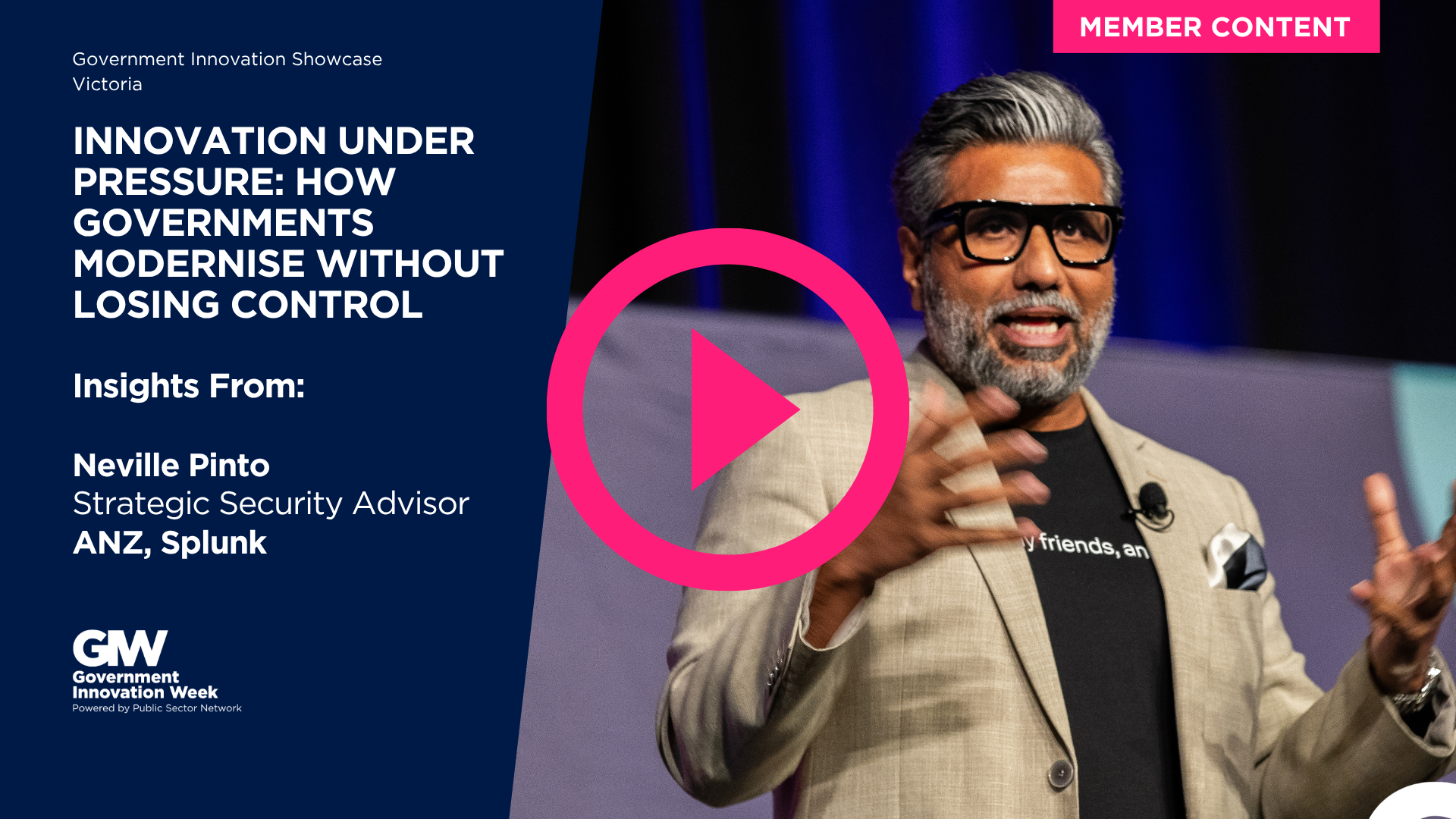
Watch the on-demand webinar to hear directly from fire service leaders on what robust, future-ready asset governance requires.
To explore supporting resources or contact the sponsor, visit Hardcat on the Marketplace.


Published by
About our partner
Hardcat Pty Ltd
Hardcat is an asset management software company, based in Melbourne, Victoria, Australia. We pioneered asset management and since our inception in 1986, our sole focus has been to be a world leader in innovative asset and evidence management and tracking solutions.Hardcat Lebosi® is our enterprise asset management (EAM) software solution, delivering asset certainty to organisations worldwide. Our cloud-based platform empowers businesses to track, maintain, and optimise critical assets—from equipment and inventory to evidence and operational resources—using advanced RFID, barcode, and mobile technologies. Core CapabilitiesTracking and AccountabilityParts and Consumables ManagementLifecycle and Maintenance ManagementCompliance and GovernanceIntegrationMobilityKey BenefitsTotal Visibility: Know what you own, where it is, and its condition across departments and locations.Efficiency Gains: Automate audits, maintenance scheduling, and utilisation reporting to reduce admin burden and free up frontline resources.Scalable & Secure: Cloud-hosted with role-based access, integrating seamlessly with ERP and government systems.Compliance: Maintain audit-ready records, support regulatory compliance, and ensure full traceability.Ideal ForTailored for law enforcement, emergency services, government, and mid to large organisations. Hardcat is a global enterprise, trusted by over 2000 of the world’s most prestigious corporate and government organisations in more than 121 countries. Discover asset certainty with Hardcat—track smarter, operate better.
Learn more





Help your peers
Share what you've learned with fellow public servants