
INTRODUCTION
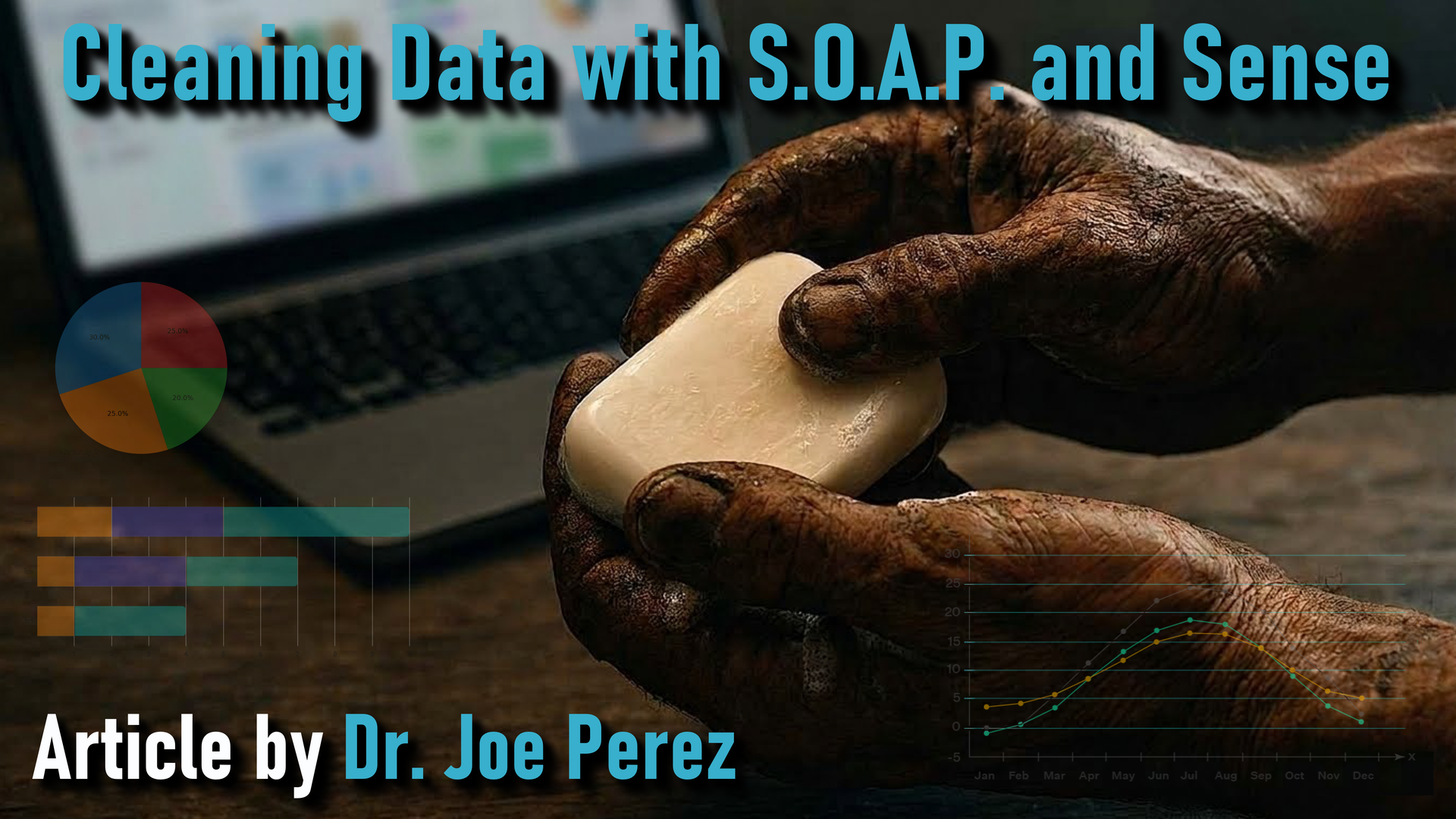
Long before soap pumps appeared on every office wall and kitchen counter, people were figuring out how to stay clean with whatever they had available. Archeologists have uncovered tablets from ancient Mesopotamia that mention early soap-like mixtures made from animal fat and ash, but those weren’t typically used for washing hands. They were more like heavy-duty detergents for textiles and fibers. For everyday hygiene, many cultures leaned on fragrant oils or other natural substances to freshen up.
Centuries later, a different unexpected cleanser emerged. Early records from physicians and scholars in the Middle East describe a substance called bunk, a kind of proto‑coffee brew that wasn’t for drinking so much as deodorizing hands. It sometimes included spices, citrus rinds, and other ingredients meant to leave a pleasant scent while being gentle to the skin. Over time, as actual coffee gained its reputation as a prized drink, bunk faded from view and became a footnote in the long evolution of hygiene.
Stories like these highlight something timeless: people have always tried to keep things clean, even when tools and techniques were imperfect or improvised. And strangely enough, this ancient struggle mirrors the challenges government agencies face today with data cleansing. The parallels are stronger than they seem. Before we set out on this journey, let me hand you a little mnemonic to make it easier to remember what comes next. In the spirit of cleansing, you’re about to receive some helpful SOAP, one key idea for each of the core parallels, namely Scarcity, Oversight, Adaptation, and Practicality.
SCARCITY
Ancient societies improvised with whatever cleansing materials they could gather. Government data teams often find themselves in a similar position. Many agencies still rely on legacy platforms, dated storage structures, or records that began life in systems that no longer exist. When you inherit data from tools that were retired a decade ago, or workflows designed long before your current mission priorities evolved, you are essentially working with the digital equivalent of olive oils and ash-based soap mixtures. You clean with what you have, even if what you have isn’t as modern or streamlined as you’d prefer. This is the heart of the first principle, Scarcity. The limits placed on tools, formats, time, or institutional memory shape the cleansing process, and understanding those limits helps data professionals overcome them instead of feeling defeated by them.
In practice, this shows up in situations where data arrives unevenly. One department may store its information in structured formats while another shares spreadsheets that have grown wild over the years. A third may hold only scanned documents. Data professionals look at all this material and feel the same frustration a cloth dyer in early Mesopotamia might have felt when trying to scrub fibers with crude soap. The resources are imperfect, yet the job must be done. That is why data cleansing is more than an optional enhancement. In environments where scarcity of modern tools, uniform formats, or complete records is the norm, this foundational work becomes even more critical. It is the essential act that lets the organization move forward with confidence. Without it, foundational tables, downstream analytics, policy decisions, and citizen-facing services falter.
OVERSIGHT
Another parallel lies in surface cleaning versus deeper cleaning. For centuries, people rubbed oils or aromatic substances onto their skin. These masked smells and gave a sense of freshness, but they did not remove dirt in the way modern soap does. Government agencies have their own version of this surface clean. A dataset gets a quick pass to fix glaring inconsistencies, and teams feel relieved because the most obvious problems are gone. Yet underneath that first layer are duplicated records, misaligned identifiers, incorrect timestamps, and fields filled with legacy codes no one remembers how to interpret. This is where the second principle, Oversight, comes into play. Effective data cleansing requires vigilance, curiosity, and a willingness to look beneath that first shiny layer.
Surface cleaning feels satisfying. Deep cleaning feels necessary. The deeper work often uncovers issues organizations were not prepared to confront. A field that was believed to contain standardized categories suddenly reveals ambiguous free text entries. A simple number that should have been consistent across datasets sings four different tunes. This is where the discipline of data cleansing becomes transformative. You move from covering up the dirt to removing it, which is exactly what builds trust in your data. That trust, strengthened by oversight, becomes the backbone of operational reliability within any agency.
ADAPTATION
The third shared theme is the evolution of cleansing practices. Cultures experimented with oils, coffee-like brews, and mixtures of ash and fat before arriving at more effective methods. Government agencies follow a similar path. Ten years ago, the accepted standard for data quality might have been basic profiling and manual cleanup. Today, automation can identify anomalies with far greater accuracy. Machine learning can detect patterns that hint at data entry issues. Modern platforms can enrich datasets by linking them with authoritative external information. The tools evolve, and successful data teams evolve with them. This embodies the third principle, Adaptation, which reminds us that data quality improves when teams embrace better methods instead of holding tightly to the familiar ones.
However, the evolution is not automatic. Agencies must cultivate an environment where staff members can explore new approaches, test modern tools, and refine long-held processes. When they do, the shift is remarkable. They begin to see their datasets not as static archives but as living assets that grow stronger through continuous care. There is pride in having a dataset that functions smoothly across departments, supports audits without friction, stands up to the scrutiny of legislators, journalists, and the public, and reflects the kind of thoughtful adaptation that strengthens data quality over time. Evolving hygiene practices improved health in ancient societies. Evolving data cleansing practices improve mission outcomes in government.
PRACTICALITY
The fourth parallel is the practical relationship between technical rigor and cultural reality. Ancient cleansers blended practical ingredients with cultural habits. Bunk, for instance, was part hygiene solution, part tradition tied to the early use of coffee. Data cleansing in government sits at a similar intersection. Technical accuracy matters, yet it must be balanced with organizational culture, human workflows, the constraints of public funding, and the expectations of citizens who rely on agencies for essential services. This captures the fourth principle, Practicality. Great data cleansing has to work in the real world, not just in theory. That is, it must be practical.
A perfectly cleansed dataset that no one understands or trusts will not support better decisions. The real goal is to create standards, processes, practical methodologies, and tools that people actually use. That means listening to staff, understanding where confusion exists, and building cleansing practices that respect real working conditions. It also means aligning those practices with the agency’s mission. When the culture supports data cleanliness, technical rigor becomes easier to sustain. Teams become comfortable reporting issues, asking questions, requesting improvements, and sharing new ideas that strengthen collective understanding. Quality becomes part of how the agency functions rather than a special project launched once every few years.
Across all four parallels, the common thread is this. Cleaning is not glamorous. It is work that often happens behind the scenes. Yet it defines everything that follows. When your data is clean, your systems run more smoothly. Your analytics draw more accurate conclusions. Your leaders trust the information presented to them. Citizens experience services that feel seamless and reliable. Clean data gives an agency power to understand problems clearly, serve people effectively, respond to change with agility, and build confidence in every decision that relies on trustworthy information.
CONCLUSION
As we wrap up, think back to those early soap mixtures and that curious brew called bunk. Imagine a physician from centuries ago swirling a spiced concoction, hoping it will leave someone’s hands a bit fresher than before. They didn’t have the polished products we rely on now. They experimented, refined, guessed again, tried again, and nudged their processes forward because they knew the goal mattered: cleanliness enabled better living.
Government agencies today aren’t mixing oils and ash, but in their own way, they’re doing something just as fundamental. Every cleaned record, corrected value, reconciled identifier, and standardized field strengthens the foundation of public service. Data cleansing may not have the aromatic charm of cloves and citrus peels, but it absolutely shapes the health of an agency’s operations.
And maybe that’s the unexpected twist worth smiling about. Centuries ago, people were scrubbing away with proto‑coffee to remove stubborn smells. Now, we’re scrubbing datasets to remove duplicate entries, inconsistent formats, and outdated information, and stray anomalies that quietly slipped in over the years. Both efforts, ancient and modern, share the same spirit: take what you have, improve its quality, and create something worthy of trust.
Use that SOAP I gave you, the one built on Scarcity, Oversight, Adaptation, and Practicality, and keep it close as your guide. If those long-ago hygiene pioneers could see what we’re doing now, they might be astonished at our tools, but they’d recognize the mission instantly. Clean hands, clean data; different eras, same essential insight. When cleanliness underpins the work, everything that follows simply functions better and lasts longer.

Published by







Help your peers
Share what you've learned with fellow public servants