
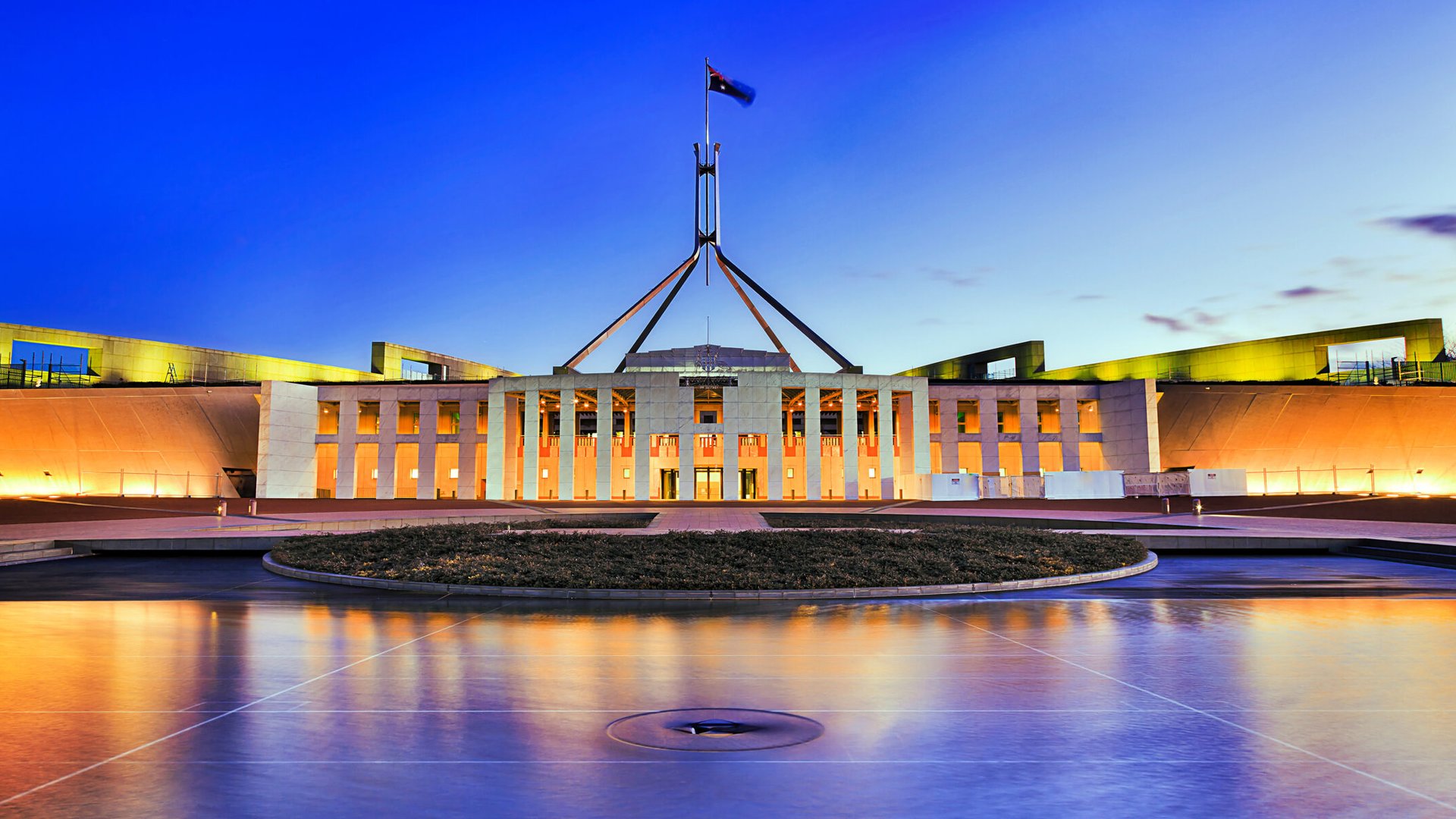
Earlier this week, the Australian Federal Budget for 2026/27 was released and, to some, it may feel like Groundhog Day, with the key highlights being ones that have featured in previous years’ budgets.
One thing was apparent: anyone expecting this budget to be AI-centric was surely disappointed. This was not the AI budget that was going to revolutionise the public sector or even change the game.
One key feature that has become a continued focus at the forefront for the government is the increased move to become a digital-centric government; cyber security and ICT modernisation each breathing new life throughout various parts of the budget.
If you're a public sector employee and have attended an event, forum, or roundtable geared towards the public sector in the last year, you will have heard industry experts discussing these very topics; fiscal restraint, ICT modernisation, cyber security and health.
So, what’s in the detail, and what did the budget entail?
Fiscal Restraint
On the face of it, one could be forgiven for thinking elements of the budget had a key theme to it; financial restraint. A theme that public sector employees have been seeing both nationally and globally: savings across areas of the public sector.
As Minister Katy Gallagher said last week:
“Next week’s budget will include savings of $64bn in reprioritisations and savings.”
However, this is not entirely the full story. Whilst there are cuts and reprioritisations across parts of government, the budget still contains substantial investment in key priority areas including digital capability, health and infrastructure.
This outlines the major focus on fiscal responsibility and budget restraint, with the savings coming from a range of reprioritisations and efficiency measures across government.
This creates a familiar pressure point for the public sector:
- improve citizen outcomes
- modernise legacy systems
- reduce duplication
- increase productivity without significantly expanding headcount
ICT Modernisation
A continued focus of the Anthony Albanese government has been the modernisation of IT systems. Arguably, whilst this is where the public sector enjoyed some of the strongest investment, it will create some of the biggest savings in the long term.
Through modernising digital capabilities across government, the budget shows a continued focus on improving service delivery and long-term public sector capability, which the government hopes will create long-term cost savings.
The budget included major investments tied to Digital ID, My Health Record, ICT sustainment and broader government digital capability, all key areas that the government argues will improve the accessibility and quality of services.
Alongside the budget, the government’s Major Digital Projects Report shows:
- 103 active or planned federal digital projects
- a combined value of roughly $9.7 billion
- projects spanning cyber, service modernisation, data, identity and legacy upgrades
Additional measures include:
- $26.5 million to improve the functionality and security of myGov
- continued investment into whole-of-government ICT systems
- planning funding for Services Australia’s long-term ICT architecture strategy
AI Focus?
This was not a budget that was set to be AI-focused and revolutionary, but it doesn’t mean there weren’t hints of AI throughout.
Whilst the theme of this budget was not strongly AI-focused, it does appear that AI is now slowly becoming embedded within broader government operations, with various policies hinting at a gradual shift towards AI-supported systems and decision-making.
Examples include:
- AI-assisted environmental approval systems
- the direction of the budget suggests increasing integration of AI into service delivery and decision-support environments
At the same time, government and industry are increasingly focused on:
- AI governance
- accountability
- risk management
- transparency
- workforce capability
Rather than a major AI announcement, this budget appears to show a government cautiously integrating AI into existing systems and public sector operations.
Cyber Security Reliance
It comes as no surprise that cyber security remains a firm priority for the government, increasingly being treated as critical infrastructure rather than discretionary spending.
The continued investment into digital capability across government also reinforces the growing reliance on secure systems and resilient infrastructure.
Projects and investments continue to focus on:
- cyber capability
- service modernisation
- secure government systems
- digital identity infrastructure
- resilience across public services
Additional measures include:
- continued investment into whole-of-government ICT systems
- security uplift for key government platforms
- planning funding for Services Australia’s long-term ICT architecture strategy
Health and Digital Health
Tied closely into the ICT modernisation agenda within the budget, there appears to be a wider focus than simply My Health Record enhancements, with key investments planned across the broader health system.
Measures include:
- Medicare system investment
- My Health Record enhancements
- digital hospital reform funding
- NDIS digital systems
- aged care ICT upgrades
Conclusion
This budget shouldn’t come as a shock to anyone in the public sector, as it strongly aligns with the existing priorities of the government: fiscal restraint, digital modernisation and cyber resilience. The obvious disappointment for some will be the gradual pace of AI integration, and some may argue that the government is not going far enough quickly enough.
It is not a historical budget, nor one that will be remembered for years to come; it is a functional budget that does the job it is laid out to do.
If you are in the public sector, you can take a few things as true; the message appears to be clear. The focus is to modernise services, improve productivity and continue building digitally resilient systems, all while operating within tighter financial constraints.







Help your peers
Share what you've learned with fellow public servants