

Innovation Is Not Transformation; And Government Needs Both
The Provocation
What if government's greatest innovation challenge isn't imagining a better future, but changing how government works to make that future possible?
It's a question worth considering as artificial intelligence (AI), automation, and other emerging technologies create opportunities to reshape government. Across the federal landscape, agencies are exploring new tools, launching ambitious initiatives, and rethinking how they deliver on their missions.
Yet as agencies pursue these innovations, a more fundamental question deserves our attention—are we innovating government, or simply introducing innovations into organizations that remain largely unchanged? The distinction matters.
Innovation introduces new possibilities. Transformation changes an organization's capacity to realize them. Promising technology may improve a process, but lasting transformation requires something deeper—rethinking how decisions are made, how people are empowered, how organizations collaborate, and how success is defined and sustained.
The Reflection
And this is where the real challenge begins!
Across government, there is no shortage of ambitious strategies, innovative ideas, or dedicated public servants working to make a difference. Yet translating those ambitions into enduring improvements remains a persistent challenge. Decades of oversight, including GAO's High-Risk List reporting, underscore a recurring lesson: identifying solutions is only part of the challenge. Sustaining progress requires leadership, governance, organizational capacity, and accountability—even as priorities and circumstances change.
The real test comes in execution, when ambitious strategies must become operational realities and promising innovations must demonstrate measurable results.
Consider what this means as agencies pursue AI and digital modernization. Will these technologies fundamentally improve how government serves the public, or simply make existing ways of working faster? And how will we know the difference?
The Reframe
Perhaps the next frontier of government innovation is not technological alone. Perhaps it is organizational—developing institutions capable of continuously learning, adapting, and translating new possibilities into lasting public value.
That raises an important challenge for government leaders: Are we investing as much energy in transforming our organizations as we are in transforming our technology?
The Invitation
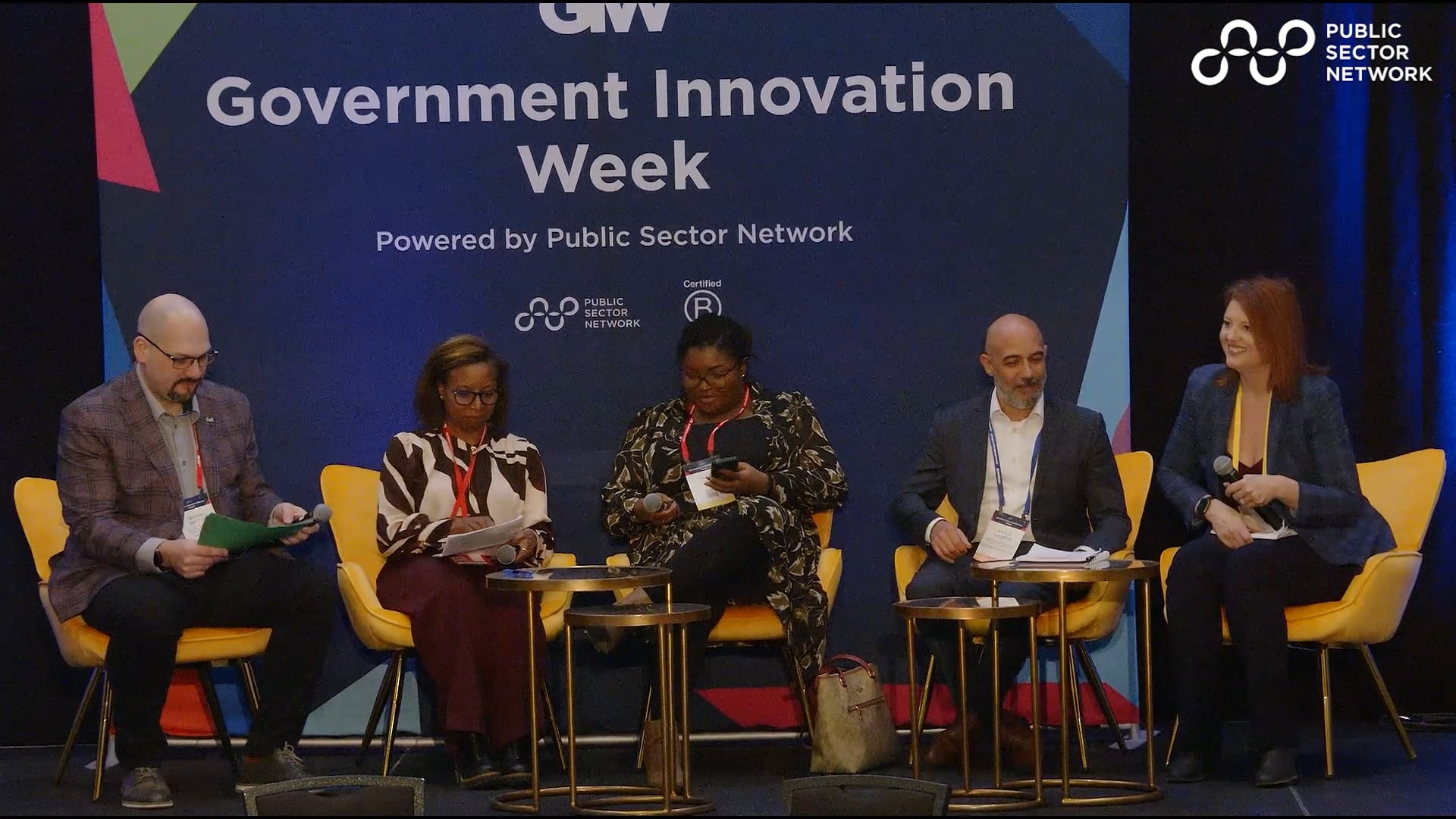
I'll explore these questions at the Public Sector Network Government Innovation Federal conference during the session "From Strategy to Execution: Applying Government Transformation Principles to AI and Government Efficiency."
Together, we'll examine how leadership, governance, workforce readiness, and accountability can help turn AI and modernization strategies into measurable improvements in government efficiency, mission delivery, and organizational performance.
Because the ultimate measure of innovation isn't what government introduces. It's what government becomes capable of delivering.



Help your peers
Share what you've learned with fellow public servants